Small Favours, Big Holes: Pricing Mid-Job Add-Ons Without Losing the Day
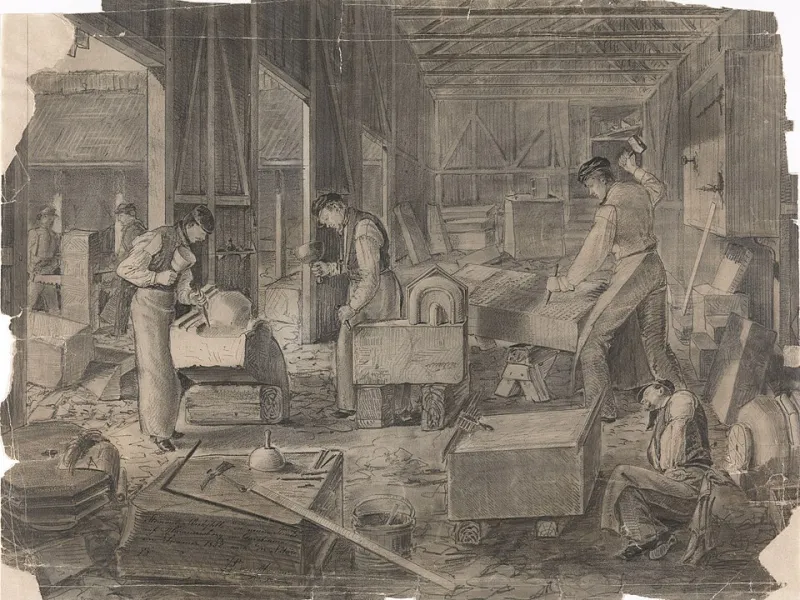
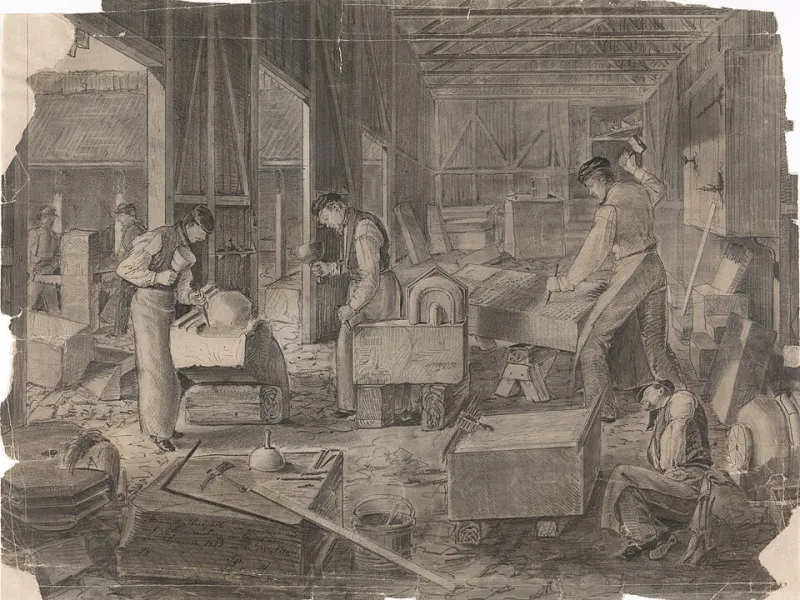
Photo: Wilhelm von Hanno, Public domain, via Wikimedia Commons
Every stone job has a moment where the client wanders over and says the words that should make your pencil twitch: while you are here. Could you just drill a couple more holes? The sill is the wrong colour — can you swap it? And there is a small bit of repair by the back door. None of it sounds like much. That is exactly the problem.
Mid-job add-ons are rarely priced properly because they arrive in the middle of something else. The mixer is on, the van is open, and saying yes feels quicker than stopping to quote. But the margin on a stone job is not built to absorb a string of small favours. The extra work still needs setting out, tool changes, dust control, materials, making good and a conversation about what the client actually wants. If you do not price it, you fund it.
The real cost of a five-minute favour
A five-minute job is seldom five minutes. You stop what you are doing, refocus, fetch the right bit or blade, protect the surrounding stone, clear up the dust, and then pick up the original task again. Do that three times before lunch and you have lost the morning without a single line on the quote to show for it.
There is also the risk cost. Extra holes can blow out. A changed sill can expose a bigger problem. A small repair can become a lesson in what the last person did wrong. Your price needs to cover the reasonable likelihood that the small extra is not as small as it looks.
Put a stop-and-quote threshold in the job
You need a simple rule that everyone on the job understands. Anything that is not on the original schedule stops and gets priced before it starts. In practice, set a threshold: if the extra is likely to take more than fifteen minutes, needs a material you did not bring, or changes the look or function of the finished work, it is a variation.
Keep a variation log. This does not need to be software. A clipboard in the van or a note on your phone is enough, as long as it records the date, the job, what changed, why it changed, the agreed price and the client's approval. A text message saying yes is worth more than a friendly nod remembered three weeks later. If the client will not put it in writing, write it down yourself and send a photo of the note. The point is not bureaucracy. The point is proof.
A short template does the job: that is outside the quote. I can do it for X pounds, about Y minutes, plus materials. Do you want me to proceed? It takes less time to send than it does to argue about an invoice later.
A small-extras rate card that does not insult anyone
Not every extra needs a full quotation. Have a small rate card for the common stuff: extra core holes, cutting and fitting a replacement sill, small repairs, return visits. Price each one as time plus material plus a bit of risk. The client does not need to see your sums, but they do need to understand the number before the mixer goes back on.
A minimum call-out or return-visit charge is not rude. It is honest. If you have to load the van and drive back for a twenty-minute fix, the twenty minutes is not the real cost. Say so plainly: our minimum for a return visit is a set figure plus materials because it is a separate trip. Most clients accept that when it is explained before the work, not after.
You can offer an on-site rate that is keener than a standalone job, but do not call it a favour. Call it what it is: a price for doing it while the kit is already there. That keeps the goodwill without pretending the work is free.
When to say no
Not every while-you-are-here request should be accepted. Say no when the scope is unclear, when the work is unsafe, when it needs another trade, when it puts the main job behind, or when the client will not agree a price. The tricky ones are the jobs that start small and quietly become a different project. Those are the ones that wreck a week.
Useful scripts: I cannot price that properly from here, so I will come back with a figure. That is a separate job, and I am happy to quote it once the main run is finished. If they push, offer a booked slot. Saying no to an unpriced extra is not bad service. It is how you keep the priced work moving.
Get the yes before the next mix
Agreement should happen before the next batch of mortar, not at final invoice. For small extras, a text confirmation is fine. For repeat builders, agree a schedule of rates in advance so you are not renegotiating every hole. Put the variation on the invoice as its own line, with the date and a short description. Extras should not appear as a vague lump at the end.
Keep the admin small enough to actually do
A variation log only works if it takes minutes, not evenings. Keep it in the van, update it at the end of the day while the details are fresh, and invoice extras with the next stage payment rather than saving them for a surprise. Photos help: before, during and after. They answer most questions before they are asked.
Goodwill is not a discount code. Clients value a straight answer about cost far more than they value a vague promise that it will not be much. Price the small extras clearly, log the agreement, and you can still be helpful when someone says while you are here. You just will not be paying for the privilege.