Cheap Discs, Dear Cuts: The True Cost of Budget Diamond Blades
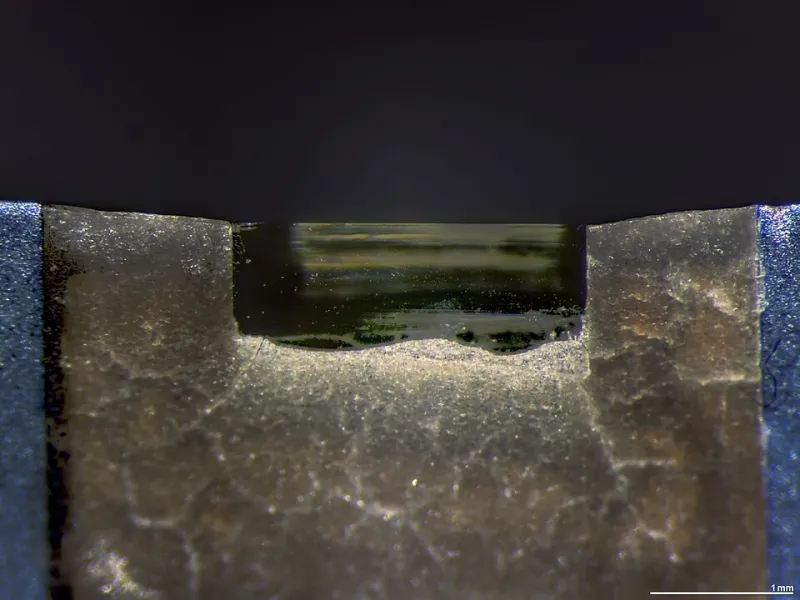
Photo: Richard Wheeler (Zephyris), CC BY 3.0, via Wikimedia Commons
Walk into any builders merchant and there is a rack of diamond discs at prices that look like a misprint. A tenner for a 230mm blade? When the saw is already bought and the job is waiting, it is tempting to fill a bag and get on with it.
The trouble is that a blade is not really a purchase. It is a running cost, and the cheap ones tend to be expensive in the places that do not show up on the receipt.
The sum that changes your mind
Take two 230mm discs: a £16 own-brand and a £52 branded one. On 30mm sandstone, the cheap disc might manage 45 to 60 linear metres before it is glazed, undercut or down to the core. The dearer one, run wet and at the right speed, might do 180 to 220 metres. On paper that is roughly 27p a metre against 26p a metre, which looks like a draw.
Then add the fiddly bits. Five minutes to swap a blade at £35 an hour is nearly £3 a change. If the cheap disc cuts 20 per cent slower over 200 metres, that is another 40 minutes of saw time and labour. One blown arris on a visible limestone sill, one slab written off because the cut wandered, and the £36 you saved has gone. Twice.
What you are actually paying for
A diamond blade is a steel core with segments of diamond grit held in a metal powder bond. The bond has to wear back at the same rate as the stone wears it, so fresh diamond is exposed. Get that balance wrong and the blade either glazes over or sheds its segments early.
Cheap blades usually save money in predictable places: less diamond in the mix, a shorter segment (7mm rather than 10 or 12mm), a softer core and a generic bond that is asked to cope with everything from blockwork to black granite. Sometimes that is fine. On a grinder cutting out a doorway, a cheap disc is a sensible consumable. On a saw cutting finished stone, it is a false economy.
Also read the marking. A blade sold for stone should carry a BS EN 13236 marking, a maximum speed and a directional arrow. If the bore is 22.23mm and your saw flange is worn, even a good blade will run out of true.
Where the money leaks away
- Rework. A blade that wanders or chips the face costs time on the bench and mastic on the edge. Visible limestone and sandstone work shows every bad cut.
- Waste. A wide, wobbly kerf on a £300 slab turns a 600mm piece into a 580mm piece. That is a whole job's worth of margin.
- Machine wear. An out-of-balance cheap disc hammers the spindle bearings and wears the flange. Bearings are a workshop job, not a blade swap.
- Dust and slurry. Cheap discs often get pushed dry because they cut slowly wet. Dry cutting granite is a silica and dust problem, not just a blade problem. HSE is not impressed, and neither is your lungs.
- Tempers. Nobody enjoys forcing a saw through a slab while the blade smokes.
Match the bond to the stone
The UK stone market is not one material, and one blade cannot be right for all of it.
Sandstone (York, St Bees, Locharbriggs and the like) is abrasive. It eats soft bonds for breakfast. You want a hard bond, a 10mm segment and water. Dry cutting sandstone with a cheap disc is how you glaze a blade in one morning.
Limestone (Portland, Bath, Ancaster) is softer and more forgiving, but visible work needs a clean cut. A medium-bond blade with a finer grit leaves less filling and sanding. Keep a dedicated blade for face work.
Granite is hard and dense. It needs a soft bond and a higher diamond concentration to keep cutting rather than polishing itself. Wet cutting keeps the heat down and the edges tight. A cheap all-rounder will glaze and then you will lean on it, which is when the core warps.
Slate wants a fine, wet cut. A rough blade delaminates the edge and you will be dressing every piece by hand.
A buying policy that pays
For a small shop, three blades cover most work: a 230mm hard-bond general blade for sandstone and limestone, a 230mm granite blade, and a 125mm grinder disc for details. Buy from a supplier who asks what you cut, not one who asks how many you want.
Keep a chalk mark on the wall or a note in the van: metres cut per blade, and what it was cutting. After three blades you will know your real cost per metre, and the cheap rack will stop looking like a bargain.
Finally, do not put a premium blade on a tired saw. Check the flange for wear, the spindle for play and the water feed for flow. A £60 blade on a clapped-out saw is just an expensive way to make a bad cut.
The cheap disc has its place: blockwork, demolition, the grinder you lend to nobody. On finished stone, buy the specification you need, not the price you like.