The Kit You Should Hire, Not Buy, Before the Work Is Really There
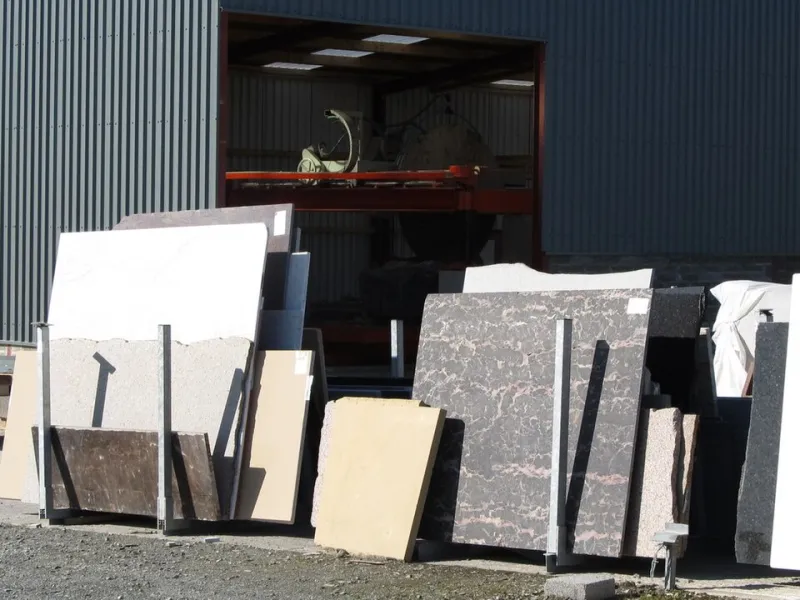
Photo: Eric Jones , CC BY-SA 2.0, via Wikimedia Commons
There’s a point in every small masonry workshop where the tool catalogue starts to feel like a wish list. You’ve got a job that needs a core drill, another that wants a floor saw, and a customer asking for a finish that only one very specific bit of kit will deliver. Buying feels decisive. Hiring feels like paying twice for the same job.
For plenty of UK shops, though, hiring is the grown-up move. Not because owning tools is bad. Because a tool only earns its keep when it is working often enough to beat the cash tied up in it, the space it eats, the servicing, the insurance and the hassle of moving it. A bargain purchase that sits under a bench for nine months is not a bargain.
The cashflow test, not the tool test
Before you ring the hire desk or the dealer, ask a boring question: how many times will this tool be used in the next 12 months? Not how many times you would like to use it. Not how many videos you have watched about it. Actual jobs, with customers and dates.
If the answer is once or twice, hire. If it is most weeks, start doing the sums on ownership. If it is somewhere in the middle, hire for the next job and keep a note of every time you have to book it. That note will tell you more than any catalogue.
Five bits of kit that often arrive too early
Core drills and rigs. A decent core drill and stand is brilliant when you are drilling flues, vents and service holes every week. It is also heavy, awkward, and capable of making a proper mess of a wall if you are rushing. Day hire for a core drill and rig is often somewhere in the £40–£90 bracket, depending on size and location. A rig you would actually want to own is a four-figure purchase before you have bought a single diamond core.
Hire it for one-off bathroom vents, a flue, or a handful of holes. Think about buying when core drilling is a regular line on your quotes, not a favour for a builder.
Floor saws. This is the classic ‘I’ll need it again’ purchase. You might. But petrol floor saws need fuel, blades, water, servicing and somewhere secure to live. They do not enjoy damp workshops. Day hire is commonly £70–£150 depending on size, plus the blade. If you are cutting a few thresholds and patio slabs a year, that is still cheaper than owning a saw that sulks in the corner.
Pressure washers. Not the little domestic thing from the garden centre. A proper hot or high-flow unit that will shift stone dust and slurry without dying. Hiring one for a deep clean or a big wet-cut job makes sense. Buying a cheap one is false economy, and buying a serious one is a grand or more plus storage. If you only need it for cleaning down after a messy job, hire.
Handling gear. Vacuum lifters, slab trolleys, genies and counterbalance lifters are the tools that save backs and expensive slabs. They are also bulky, job-specific and often hired with the slab itself. If you fit a few heavy worktops a month, hire. If you are moving 200kg pieces every week, owning starts to look less like a luxury and more like a back-saving necessity.
Specialist finishing tools. Profiling wheels, edge polishers, bush hammers, maybe a dedicated mitre saw. These are attractive because they promise a new service line. But a tool does not make a service profitable. Repeat demand does. Hire for the first few jobs, or pay a local specialist until you know the work is there.
Storage and transport are part of the price
A floor saw does not just cost the hire fee or the purchase price. It costs the corner of the workshop you could have used for a bench. It costs the van space on a day when you need to carry slabs. It costs the strapping, the tail lift, the fuel and the risk of moving heavy kit on your own.
That is why ‘it’s cheaper to buy’ often is not. If a tool lives in the way, gets covered in dust, or needs two people and a pallet truck to move it, it is already costing you. Hire kit goes back. Owned kit stays, and it keeps asking for attention.
The signs you are ready to buy
You are probably ready to own when the same tool has been hired two or three times in a month, or when the same hire line has appeared on your invoices for six months. You are ready when you have secure, dry storage and a way to move it without wrecking your back. You are ready when you know the exact model you want, not just the category. And you are ready when you have enough booked work to pay for it inside a sensible period, rather than hoping the phone rings.
For core drills, owning one decent rig can make sense when you are doing fireplaces, flues, vents and services every week. For floor saws, own when cutting is a regular part of your week, not a one-off favour. For handling gear, own when the alternative is turning down heavy work or risking an injury.
A simple buying rule
If the annual hire cost is more than half the purchase price and you will use the tool at least monthly, buying starts to make sense. If not, keep hiring. That rule is not perfect, but it is better than buying because the tool looks good in a photograph.
The aim is not a workshop that looks like a tool catalogue. It is a workshop that makes money. Hire the job. Buy the workflow.